Uncovering Regional Preferences for Roulette Wheel Types in Emerging African Online Gaming Markets
Growth Patterns in African Online Gaming
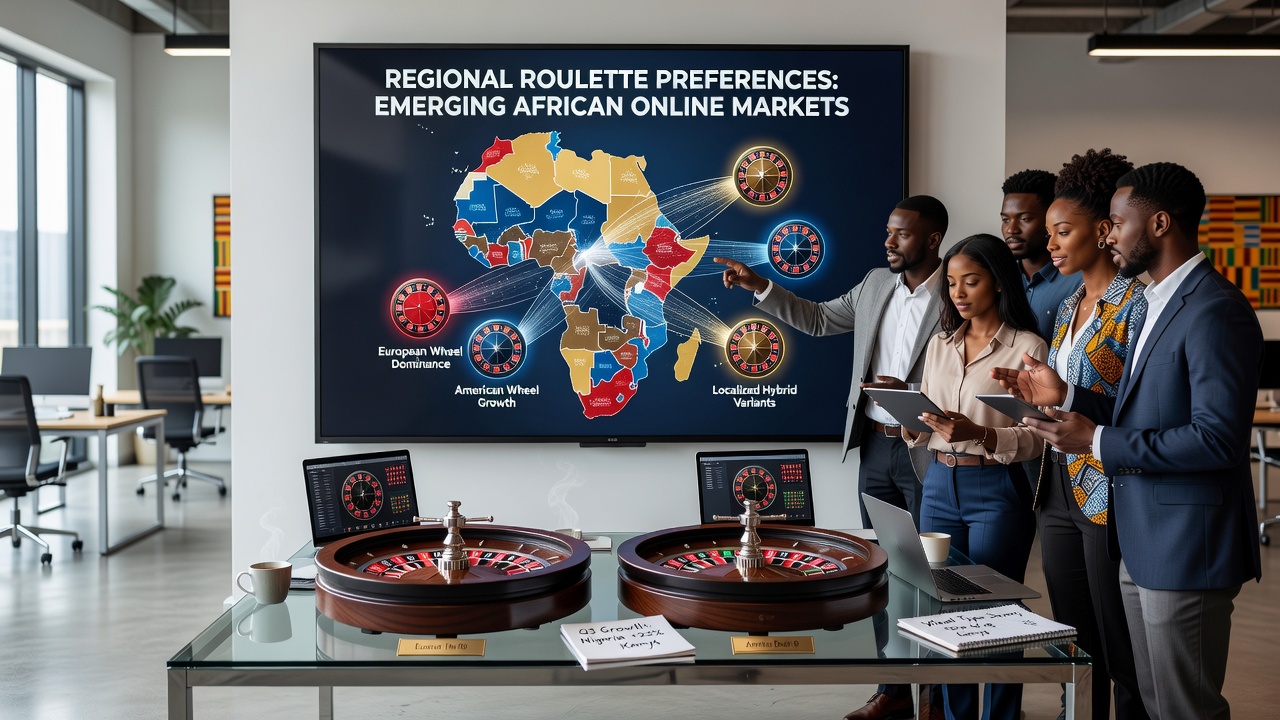
Data from multiple industry trackers shows steady expansion in online gaming across several African nations throughout 2025 and into June 2026, where mobile access continues to drive participation in casino-style games including roulette. Observers note that platform operators adjust their offerings based on local player behavior, and roulette wheel variants form one clear area of differentiation. European single-zero wheels appear more frequently in certain markets while American double-zero versions show stronger presence elsewhere, according to aggregated platform analytics shared at recent trade events.
Those who've examined player logs across Nigeria, Kenya, and Ghana report distinct selection patterns that align with regional economic factors and regulatory environments. Single-zero formats often record higher session lengths in West African markets where players demonstrate preference for reduced house edges, whereas double-zero wheels maintain steady engagement in parts of East Africa where promotional structures emphasize larger potential payouts.
Wheel Variants and Their Technical Distinctions
Roulette wheels divide primarily into three recognized configurations. The European model contains 37 pockets with one zero, the American version adds a second zero for 38 total pockets, and the French layout mirrors the European wheel but incorporates additional rules such as la partage and en prison that return half the stake on zero outcomes. Platform providers implement these variants through certified random number generators that undergo periodic testing by independent auditors, ensuring consistent distribution across mobile and desktop interfaces.
Research indicates that transmission speeds and interface design influence which variant gains traction in markets with variable internet connectivity. European wheels load faster on lower-bandwidth connections common in rural Nigerian and Kenyan regions, which may contribute to their documented popularity in those areas during peak evening hours.
Documented Preferences by Sub-Region
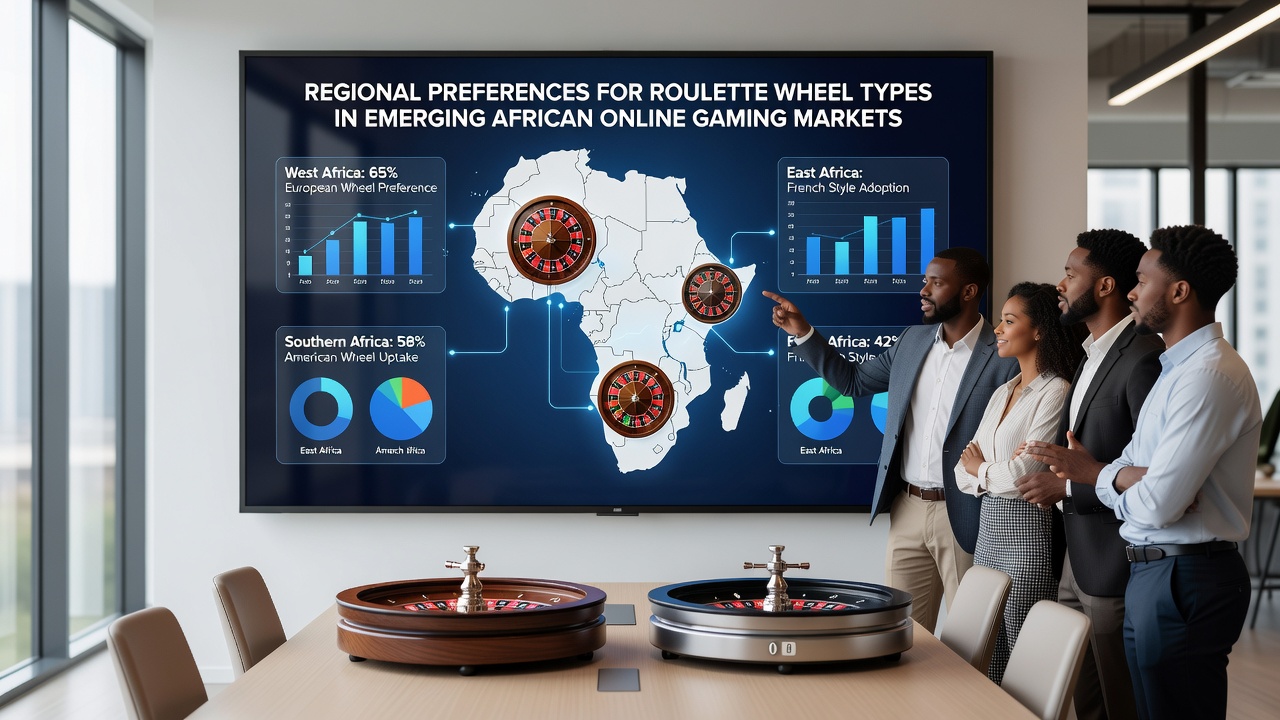
Platform data collected between January and June 2026 reveals that West African users, particularly in Nigeria and Ghana, select European wheel variants at rates approximately 15 percent higher than American options when both appear side by side in lobby displays. This pattern holds across multiple operators and correlates with sessions lasting beyond 30 minutes, suggesting sustained engagement tied to the lower house edge.
In East African markets such as Kenya and Tanzania, American double-zero wheels register comparable or slightly elevated play volumes during promotional periods, especially when paired with bonus mechanics that offset the additional zero through enhanced multipliers. South African operators, operating under more established licensing frameworks, present a mixed distribution where French variants appear more regularly due to historical ties with European software suppliers.
Regulatory and Infrastructure Influences
Local licensing requirements shape available wheel types because regulators in several jurisdictions mandate specific certification standards for random number generators. The Gaming Africa Consortium published findings in early 2026 that linked regulatory approval timelines to the prevalence of particular variants, noting faster rollout of European wheels in markets with streamlined certification processes. Meanwhile infrastructure limitations such as data costs and device storage capacity affect how many game variants operators preload, creating practical constraints that favor lighter European implementations in certain territories.
Payment integration patterns also play a role. Markets where instant mobile money transfers dominate show stronger retention on wheels that support quicker round cycles, a characteristic more common in single-zero formats. One study from the University of Cape Town's gaming research unit tracked transaction data across 12 operators and found measurable differences in deposit frequency tied to wheel type availability.
Trends Observed Through Mid-2026
June 2026 platform updates introduced hybrid wheel options in select African markets, combining elements of European and French rules within single interfaces. Early usage statistics indicate these hybrids attract crossover interest from players previously segmented by wheel preference. Mobile demo environments continue to serve as testing grounds where operators monitor selection rates before full deployment, and current figures reveal rising interest in customizable wheel settings that let users toggle between zero configurations within the same session.
Cross-border player migration through VPN usage occasionally blurs regional patterns, yet geolocation tagging in backend systems allows operators to segment data accurately for compliance and product planning. Those analyzing these datasets note that seasonal events such as major football tournaments coincide with temporary spikes in American wheel play, possibly connected to larger promotional budgets during those periods.
Conclusion
Available evidence from platform analytics, regulatory filings, and academic tracking projects demonstrates clear regional distinctions in roulette wheel preferences across emerging African online gaming markets. Single-zero European variants lead in West African territories while American configurations hold ground in East Africa under specific promotional conditions, and French layouts maintain a niche presence in Southern markets. Continued monitoring through the second half of 2026 will clarify whether hybrid formats alter these established patterns or simply add another layer to existing preferences shaped by regulation, connectivity, and player economics.