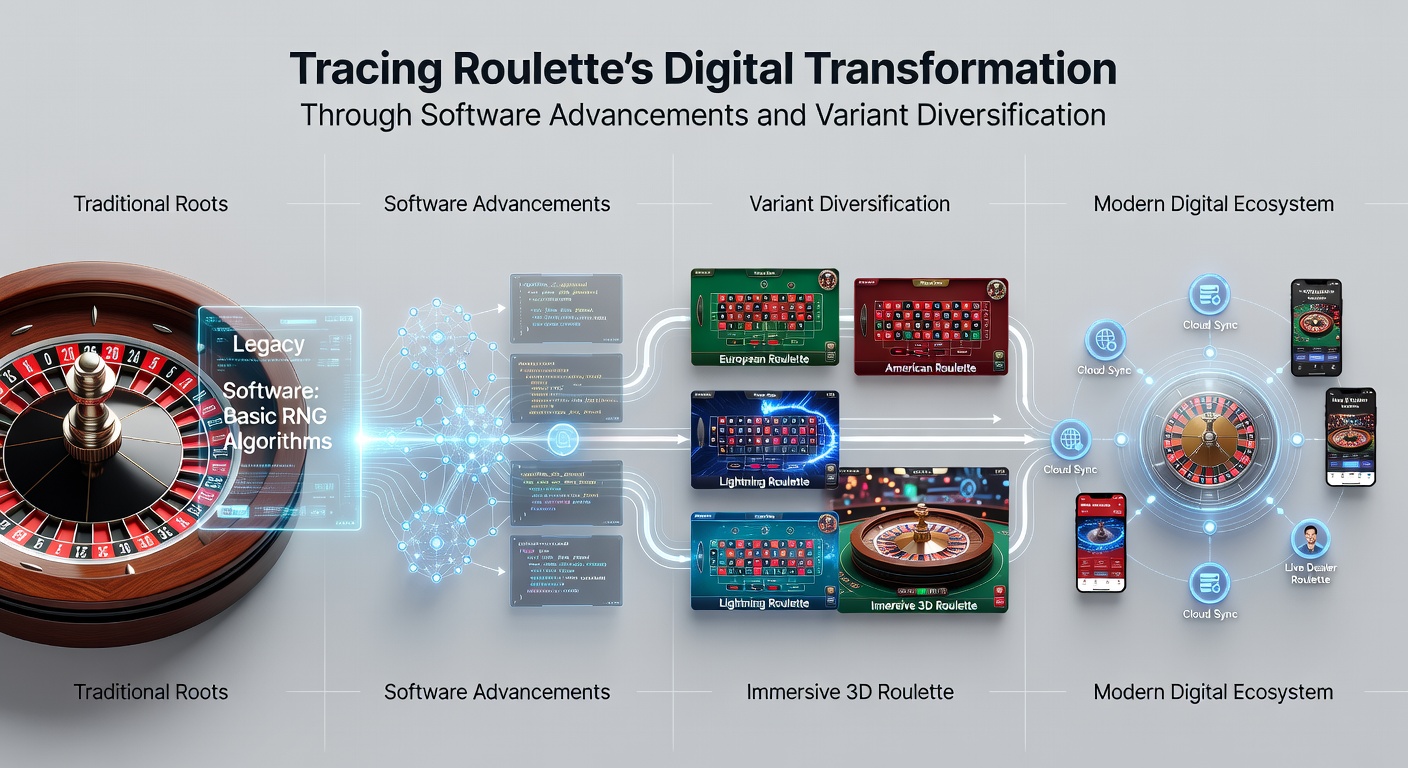
Tracing Roulette's Digital Transformation Through Software Advancements and Variant Diversification
Roulette has shifted from physical tables to sophisticated digital environments where software powers every spin and decision point, and this evolution traces back through layers of algorithmic refinement and platform expansion that operators rolled out progressively since the early 2000s.
Software Foundations That Reshaped Core Mechanics
Developers built initial digital versions around certified random number generators that replaced the physical wheel, yet these systems quickly advanced beyond basic randomization into layered frameworks incorporating real-time data feeds and adaptive interfaces. Data from the Nevada Gaming Control Board shows online roulette handle grew steadily through 2025, driven by platforms that merged RNG outputs with live dealer streams to recreate table atmosphere without physical constraints.
By 2026 engineers introduced modular code bases that let studios update game logic on the fly, which meant providers could patch fairness parameters or add visual effects without full redeployments. Observers note these changes reduced latency across mobile networks while maintaining audit trails that regulators require for compliance checks.
Expansion of Variant Offerings Through Platform Innovation
Traditional European and American formats served as starting points, but software teams soon layered in multi-ball mechanics, progressive jackpots, and themed environments that draw from historical casino motifs or pop-culture references. These variants run on unified engines that switch between single-zero and double-zero layouts or scale wheel sizes dynamically based on player count, which keeps sessions varied without requiring separate applications.
Studies from the Australian Institute of Criminology indicate diversification correlates with longer average play durations because players encounter fresh configurations within the same session rather than cycling through static options. In May 2026 several major operators launched limited-time variants featuring seasonal graphics and bonus rounds tied to global events, expanding the catalog without altering core probability structures.

Integration of Emerging Technologies and User Data
Artificial intelligence entered the picture through recommendation engines that analyze betting patterns to suggest variants matching individual risk preferences, while augmented reality overlays allow mobile users to project wheels onto tabletops at home. These tools sit atop existing RNG frameworks yet add personalization layers that adjust interface complexity, from simplified touch controls for newcomers to detailed statistical dashboards for experienced players.
Platform providers report that cross-device synchronization lets sessions resume seamlessly between desktop and smartphone, and the same backend tracks variant performance across regions. Figures released by the Ontario Lottery and Gaming Corporation reveal online roulette traffic rose notably in early 2026, with variant-specific titles accounting for a growing share of total wagers compared to standard formats.
Regulatory Alignment and Audit Standards
Software upgrades also addressed compliance needs as jurisdictions updated technical standards for randomness testing and transaction logging. Third-party labs now certify not only core RNG modules but also the integration points between live feeds and virtual overlays, which ensures every variant meets the same evidentiary thresholds regardless of visual complexity.
Those who monitor industry filings see operators submitting update logs monthly to demonstrate ongoing fairness validation, and this documentation process itself relies on automated reporting tools built into the software stacks. The result appears in consistent approval rates for new variants that would have required months of manual review under older systems.
Conclusion
Roulette's digital path continues through incremental software releases that prioritize stability alongside creative variant expansion, and records through May 2026 confirm sustained platform investment in these areas. Operators maintain compatibility with legacy formats while rolling out new mechanics, which preserves accessibility for traditional players yet opens routes for broader participation through mobile and immersive channels.