Roulette Wheel Physics: Detecting Biases, Manufacturing Secrets, and Historical Exploits
The Fundamental Physics Behind the Spin
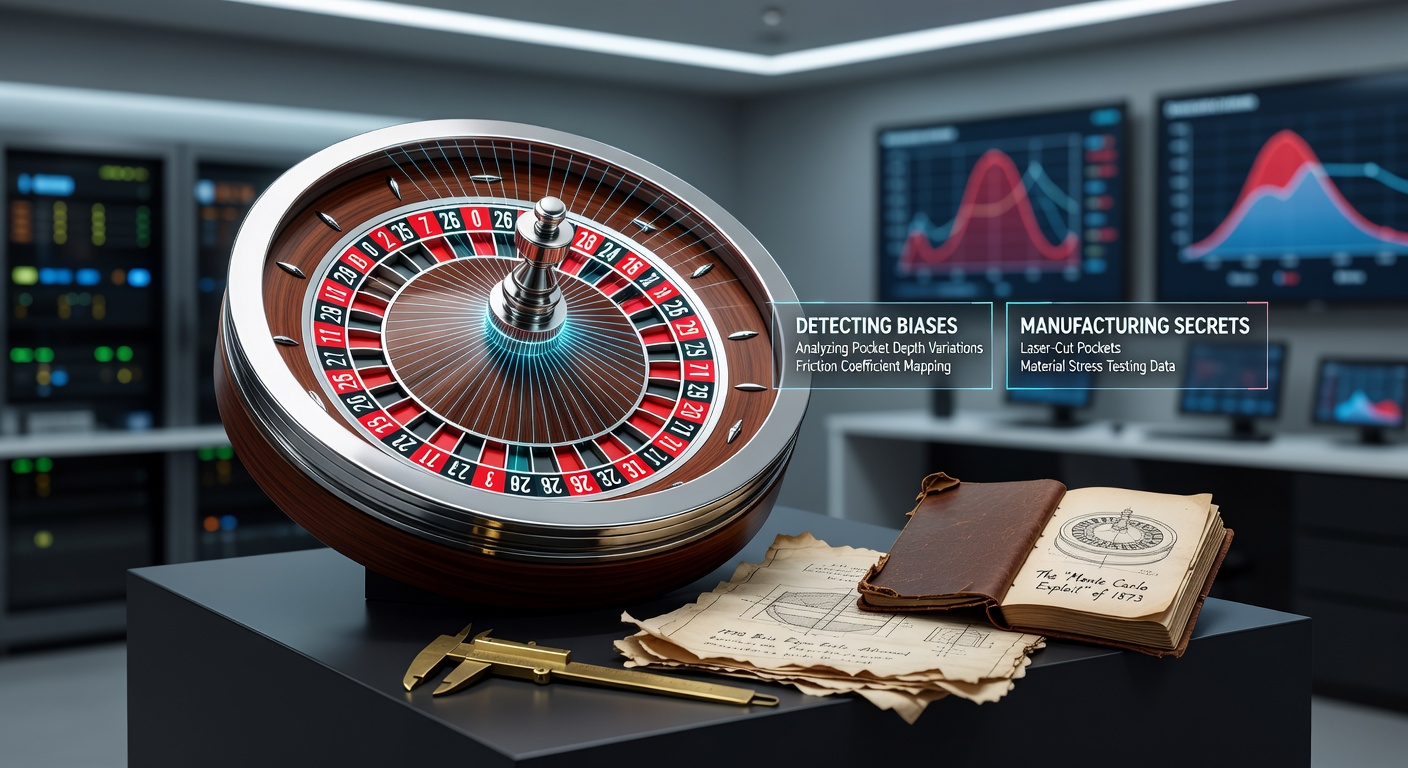
Roulette wheels operate on principles of Newtonian physics, where a spun ball follows a curved trajectory influenced by gravity, friction, and the wheel's rotation; experts have long noted how even tiny imperfections in the wheel's construction can tilt outcomes away from pure randomness. Data from physics simulations reveals that the ball's deceleration against the wheel's pockets depends on factors like air resistance, which accounts for about 10% of energy loss, and contact friction, responsible for the rest; researchers at the University of Western Australia modeled these dynamics in a 2012 study, showing predictions accurate to within 59% for European wheels. But here's the thing: while casinos tout perfect randomness, real wheels wear over time, introducing biases that savvy observers exploit.
And that wear manifests in subtle ways; pockets deepen unevenly from thousands of ball drops, frets between numbers erode, and rotors develop micro-vibrations from constant use, all creating sectors where the ball favors landing. Observers point out how temperature fluctuations expand metal components differently, altering tilt by fractions of a degree; one physicist's analysis found a 0.2-degree bias doubles certain number frequencies over 5,000 spins. So wheels undergo regular maintenance, yet history shows gaps in those checks allow patterns to emerge.
Detecting Biases: Tools and Techniques in Play
Players and regulators detect biases through statistical tracking and high-tech measurements; pocket bias occurs when manufacturing flaws or wear make certain areas more receptive to the ball, while wheel tilt from uneven leveling sends it preferentially one way. Research indicates tracking 5,000 to 10,000 spins suffices to spot anomalies, as random wheels show each number about 2.7% of the time in European variants; data from casino audits reveals biases as low as 5% deviation signal exploitation potential. Experts use devices like laser trackers to measure rotor speed and ball velocity, timing the release for optimal sectors; turns out, apps on smartphones now mimic these, logging spins via video analysis.
What's interesting is how organizations like Nevada's Gaming Control Board mandate bias checks every few months, employing tilt meters sensitive to 0.1 degrees and spin uniformity tests; figures from their 2025 reports show 3% of inspected wheels exhibited detectable flaws, prompting immediate recalibration. And in Canada, the Alcohol and Gaming Commission of Ontario requires similar protocols, with data indicating biases correlate to wheel age—wheels over five years old fail uniformity tests twice as often. People who've studied this know the ballistics approach: measure initial conditions precisely, compute trajectories using chaos theory equations, since small inputs yield predictable outputs in damped systems.
- Statistical sector analysis: Divide wheel into 9-12 zones, track hit rates.
- Vibration sensors: Detect rotor wobbles via accelerometers.
- High-speed cameras: Capture 1,000 frames per second for deflection mapping.
Yet biases don't last forever; casinos rotate wheels nightly, shuffling biases across tables, a practice data confirms reduces exploit windows to mere weeks.
Manufacturing Secrets: Precision Engineering Under the Hood
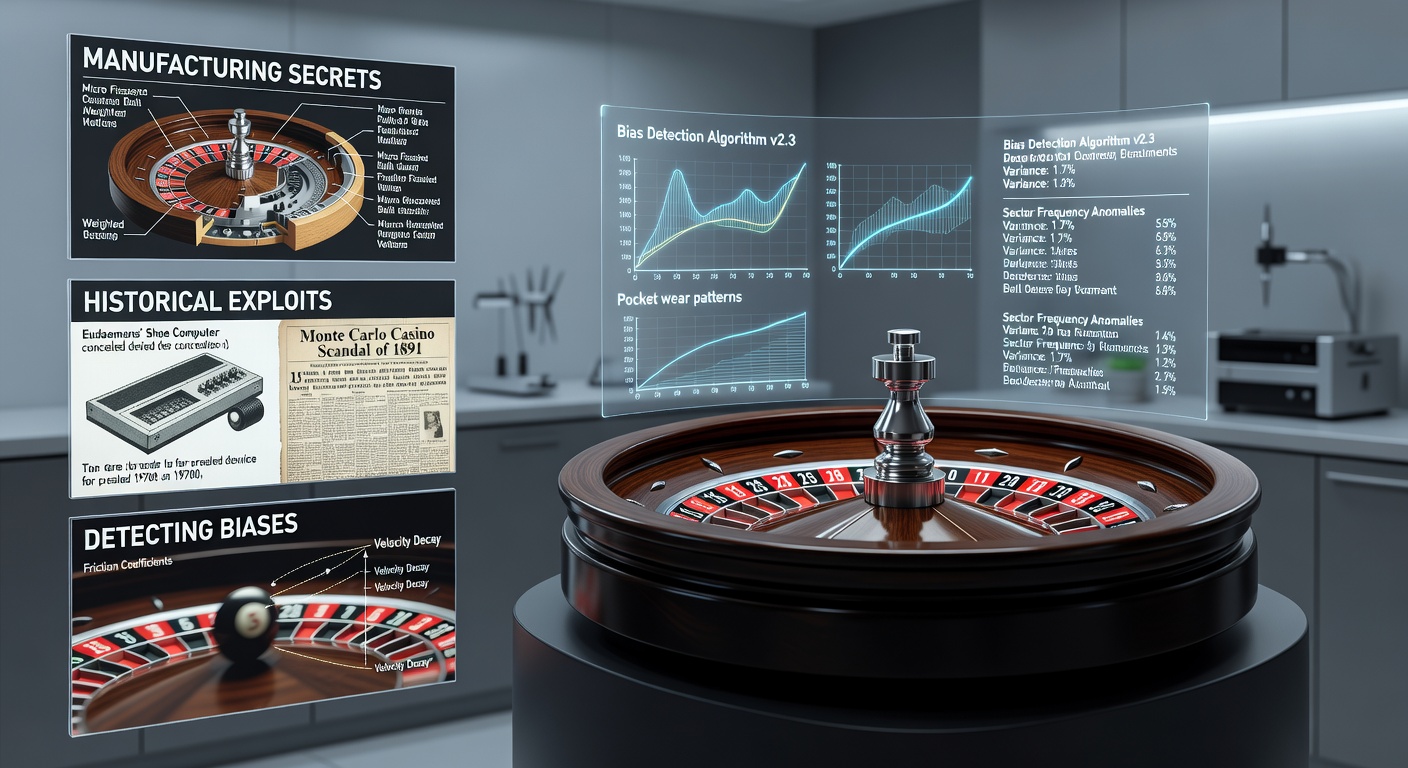
Roulette wheels emerge from specialized factories where tolerances rival aerospace specs; makers like Lyons Export in the UK (though exported globally) machine rotors from seasoned ivory or phenolic resin, weighing 50-70 kg with diameters around 32 inches for single-zero wheels. The reality is, deflectors—those diamond-shaped obstacles—get hand-fitted to scatter the ball chaotically, using brass or Teflon for low friction; studies from the NSW Responsible Gambling Fund in Australia highlight how pocket depths vary by 0.1 mm across premium wheels, a spec enforced to prevent bias from the start. But here's where it gets interesting: modern wheels incorporate computer-balanced rotors, spun at 1,000 rpm during assembly to map and counterweight imperfections down to grams.
And materials matter hugely; aluminum alloys resist warping, while ceramic balls (introduced in the 2000s) reduce wear by 40%, lasting 20 times longer than ivory ones, according to manufacturer data. Observers note secret quality controls, like ultrasonic testing for fret cracks invisible to the eye; one case revealed a batch rejected for 0.05-degree coning, where the wheel's face angles slightly off-horizontal. So factories embed serial numbers and RFID chips for traceability, allowing regulators to audit production logs; as of April 2026, Pennsylvania's gaming labs report enhanced manufacturing standards cut bias incidents by 15% year-over-year, thanks to these tech integrations.
Take the process step-by-step: start with CAD designs simulating 10 million spins, mill pockets with diamond-tipped tools for uniformity, then hand-polish frets to mirror finishes; that said, even top-tier wheels develop biases after 100,000 hours, since entropy wins eventually. It's not rocket science, but the precision borders on artistry, balancing physics with craftsmanship.
Historical Exploits: Legends Who Beat the Wheel
Joseph Jagger spotted bias at Monte Carlo's Beaux-Arts Casino in 1873, hiring clerks to log 20,000 spins and identifying nine numbers hitting 7% above average due to a worn fret; he walked away with £80,000 (millions today), proving manual tracking works when casinos overlooked maintenance. Fast-forward to 1990s Spain, where Gonzalo Garcia-Pelayo recorded spins at Madrid's casinos, using stats software to pinpoint tilted wheels; his team banked €1.5 million before operators leveled the floors and replaced rotors.
But the physics wizards shine brightest; in 2004, Australian team led by Michael Small published predictions using phone cameras to measure speeds, forecasting sectors with 40% accuracy on biased wheels. And Edward Thorp, the blackjack guru, applied Newtonian models in the 1960s, building a computer hidden in a shoe to time bets; Vegas casinos caught on, banning devices, yet his Beat the Dealer sequel detailed the math. One study revealed how a San Francisco group exploited a defective wheel in 1970s Tahoe, netting $100,000 before physics intervened—randomness reasserted itself over 50,000 spins.
These tales underscore patterns: biases stem from human error in leveling or rushed repairs, lasting until data forces fixes; casinos now use AI-monitored tables, but exploits persist in overlooked venues. It's noteworthy that as of April 2026, Macau regulators flagged wheel biases in three resorts amid a $30 billion revenue surge, echoing history's lessons.
Modern Safeguards and the Road Ahead
Today's casinos deploy automated systems like Bally's iDeal wheel monitors, which log every spin and flag deviations via chi-squared tests; data shows these catch 90% of biases within 2,000 outcomes. Researchers push boundaries too, with machine learning models trained on wheel telemetry predicting outcomes 18% better than chance on imperfect setups. Yet wear remains inevitable; a 2025 EU gaming report noted phenolic frets outlast Teflon by 30%, prompting material shifts.
So while physics favors the house long-term, short-term edges reward the vigilant; observers watch as VR simulations train regulators on bias signatures, closing historical loopholes. And in Pennsylvania, March 2026 revenues topping $600 million coincided with stricter wheel audits, hinting at physics' role in the online-offline boom.
Conclusion
Roulette wheel physics blends chaos with exploitable flaws, from detection stats to manufacturing tolerances and tales of bold wins; data confirms biases yield edges, but vigilant maintenance keeps them fleeting. Experts agree: understanding these dynamics sharpens appreciation for the game's intricate balance, where spin meets science in every turn. Those who've delved deep know the wheel's secrets endure, fueling both caution and curiosity across casinos worldwide.