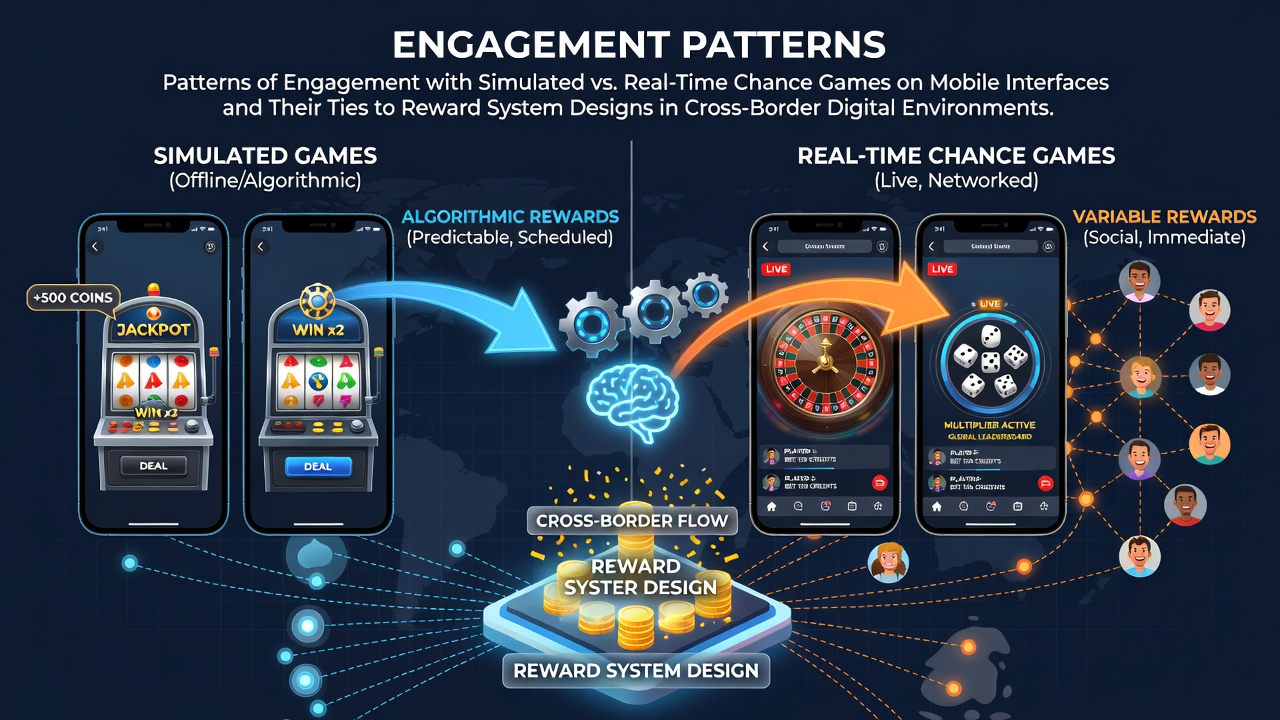
Mobile Chance Games Reveal Distinct Engagement Patterns Between Simulated RNG Formats and Real-Time Live Options Across International Platforms
Users interact with simulated chance games through algorithmic random number generators that deliver instant outcomes on mobile screens, while real-time formats connect players to live dealers via video streams that require stable connections and synchronized timing. Data collected across multiple cross-border operators in September 2026 indicated higher session initiation rates for simulated games during short mobile breaks, whereas real-time sessions clustered around evening hours when users reported longer availability windows. These patterns emerged alongside reward structures that allocate bonus credits differently depending on whether the game draws from pre-computed sequences or ongoing live feeds.
Interface Design and Session Behaviors on Mobile Devices
Touch-based navigation favors simulated games because they load without latency from external streams, allowing quick spins or card draws that fit fragmented attention spans typical of commuting or waiting periods. Real-time interfaces demand consistent bandwidth and often include chat functions that extend dwell time once a connection stabilizes. Platform analytics from operators serving European and Asian markets showed simulated formats generating more frequent but shorter logins, while real-time options produced fewer entries yet higher average minutes per visit when network conditions permitted uninterrupted participation.
Reward Mechanisms Linked to Game Type Selection
Designers tie loyalty points and deposit matches to game categories in ways that steer behavior across borders. Simulated titles frequently pair with instant-win multipliers and daily login streaks that reset quickly on mobile notifications, encouraging repeated short engagements. Real-time environments link rewards to table duration milestones and dealer interaction bonuses that accumulate only after sustained video participation. Reports from the Malta Gaming Authority documented how these differentiated systems influenced deposit patterns, with users in regulated jurisdictions shifting between formats based on which reward tier aligned with their available time on a given day.
Cross-Border Regulatory Influences on Availability and Access
Jurisdictional rules determine which game variants appear on mobile applications distributed internationally. Some regions restrict real-time dealer feeds due to licensing requirements for physical studios, pushing operators to emphasize simulated alternatives that comply with software certification standards. Others permit both formats yet impose distinct tax treatments on winnings derived from each, creating incentive variations for players who cross virtual borders through VPNs or multi-region accounts. Figures released in September 2026 by the Australian Communications and Media Authority highlighted measurable differences in user retention when reward eligibility crossed these regulatory lines, particularly for mobile users accessing platforms headquartered outside their home country.
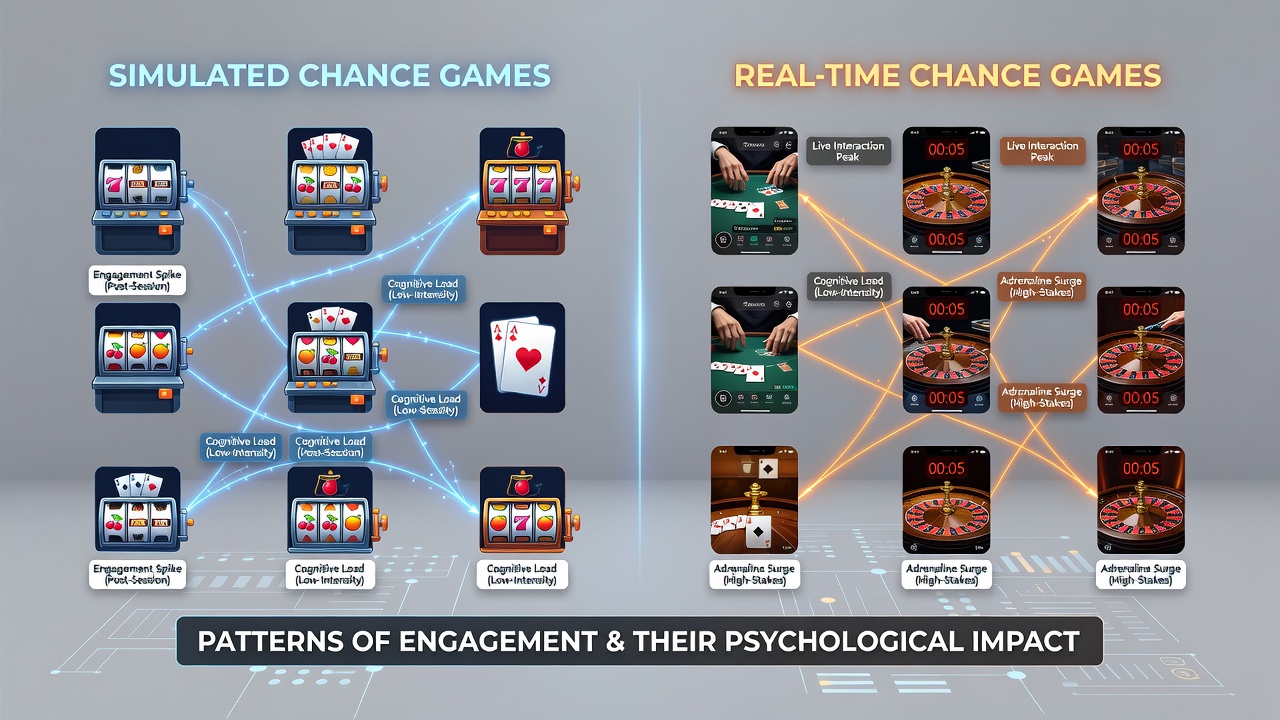
Operators adjust notification schedules and push alerts according to regional time zones and cultural preferences, further differentiating how simulated versus real-time options gain traction. Simulated games integrate with push-based reward reminders that trigger during typical mobile usage peaks, while real-time promotions often reference upcoming live events scheduled to match peak viewing hours in specific markets.
Data Patterns from Platform Analytics in Late 2026
Comparative studies across operators revealed that reward redemption rates climbed when simulated games offered smaller, frequent payouts tied to mobile-specific challenges, whereas real-time formats saw elevated engagement when progressive reward ladders required consecutive live sessions. These trends held across user bases in North America and the Asia-Pacific region, even as underlying regulations diverged. Observers tracking September 2026 metrics noted that cross-border players frequently maintained separate accounts calibrated to exploit whichever reward structure matched their preferred game type within each licensing zone.
Conclusion
Patterns of mobile engagement continue to reflect the interplay between game simulation speed, live synchronization demands, and region-specific reward architectures. Data from multiple regulatory bodies demonstrate that these elements shape how users allocate time across formats in digital environments that span national boundaries. Continued monitoring of interface adaptations and bonus structures will clarify how such dynamics evolve as mobile hardware and international licensing frameworks advance.