
Manchester Zoning Board Unanimously Approves Variances for Revo Casino Expansion
The Key Decision from the Zoning Board
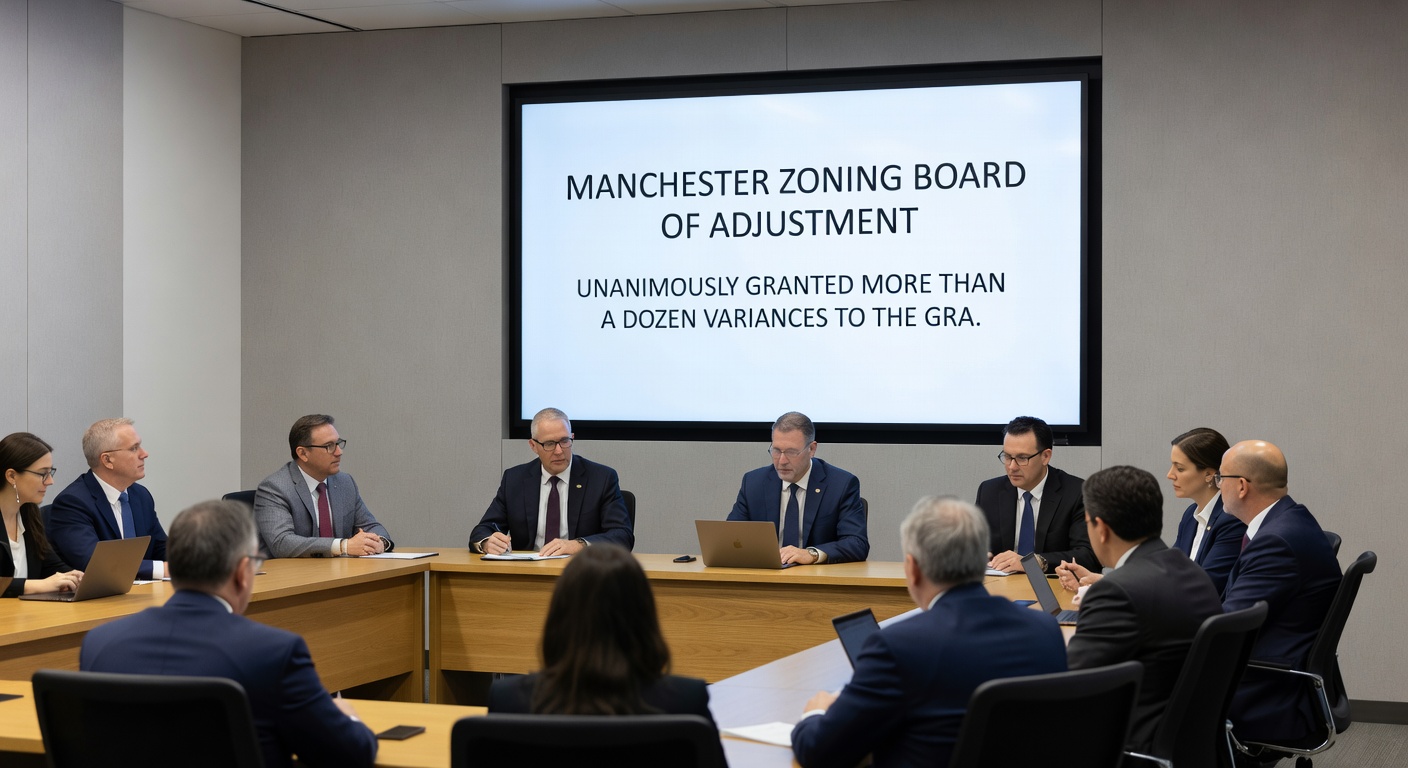
Manchester's Zoning Board of Adjustment recently delivered a unanimous vote, granting more than a dozen variances to the Granite State Poker Alliance along with Dick Anagnost for the ambitious expansion of Revo Casino located on South Willow Street; this move clears a major hurdle, allowing redevelopment of three parcels into a expansive 73,000-square-foot charitable gaming facility that includes two restaurants and a function room, all set to replace structures dating back 60 to 70 years.
Observers note how such approvals often mark turning points for local commercial projects, especially in areas where zoning rules clash with modernization needs; here, the board's full consensus underscores broad support for updating an aging site that serves as a gateway into Manchester.
Dick Anagnost, who holds majority ownership of the parcels, highlighted during proceedings that the project promises to modernize the location while enhancing the area's visual appeal, turning what was once rundown into a polished entry point for visitors and residents alike.
Background on the Players Involved
The Granite State Poker Alliance operates as a key player in New Hampshire's charitable gaming scene, running poker rooms where proceeds support nonprofits; Revo Casino stands as one of their venues, focusing on legal charitable poker rather than traditional slots or table games, which aligns with state regulations overseen by the New Hampshire Lottery Commission.
And then there's Dick Anagnost, a local landowner whose involvement spans property development in the region; his ownership of the three parcels positions him centrally in this transformation, where old buildings give way to phased construction that could redefine South Willow Street's commercial landscape.
What's interesting is how these partnerships between operators like the Alliance and property owners like Anagnost navigate local bureaucracy; variances become essential when site constraints—think setbacks, heights, or lot coverage—don't match standard zoning, and this case delivered exactly that relief without a single dissenting vote.
Project Details and What the Variances Cover
At the heart of the expansion lies a 73,000-square-foot facility designed for charitable gaming, complete with two on-site restaurants offering dining options and a versatile function room for events; construction unfolds in phases, minimizing disruption while systematically demolishing those 60- to 70-year-old structures that have long outlived their prime.
The variances, numbering over a dozen, address specifics like building height adjustments, parking expansions, and signage allowances—common tweaks in zoning approvals that enable projects to fit irregular lots; experts who've tracked similar developments in New England towns point out how such flexibility often accelerates timelines, ensuring compliance without endless appeals.
Take teh parking component, for instance: the plan boosts capacity to handle increased foot traffic from gamers, diners, and event attendees, all while adhering to Manchester's traffic flow standards; this phased approach means initial groundwork starts soon, with full operations potentially ramping up by key dates like April 2026, when broader economic boosts from tourism might align perfectly.
Phased Construction and Site Redevelopment
Phasing turns what could be a chaotic overhaul into a manageable process: first comes demolition of the outdated buildings, followed by foundational work on the gaming hall, then layering in the restaurants and function space; this strategy, common in urban renewals, keeps parts of the site operational, sustaining revenue streams for the Granite State Poker Alliance even amid changes.
South Willow Street gains a fresh face, shedding its weathered look for sleek architecture that draws eyes and wallets; Anagnost emphasized this entryway enhancement, noting how the project aligns with Manchester's push for vibrant commercial corridors, where gaming facilities contribute taxes and jobs without the footprint of full-scale resorts.
But here's the thing: charitable gaming in New Hampshire operates under strict rules, channeling profits to causes like veterans' groups or youth sports—figures from state reports reveal millions funneled annually this way, making venues like Revo not just entertainment hubs but community funders too.
Local Context and Economic Ripples
Manchester, as New Hampshire's largest city, hosts a mix of manufacturing, healthcare, and now gaming as economic drivers; this expansion fits neatly into that fabric, promising construction jobs first—hiring local crews for the heavy lifting—then ongoing roles in gaming, hospitality, and maintenance once doors open wide.
Data from the American Gaming Association indicates how charitable operations nationwide generate steady revenue, often stabilizing neighborhoods by drawing steady crowds without overwhelming infrastructure; in Manchester's case, South Willow's proximity to highways eases access, turning potential traffic woes into manageable flows.
Those who've studied zoning in growing cities observe patterns where unanimous board nods like this signal strong community buy-in; residents nearby likely weighed noise, lights, and litter concerns, yet the vote suggests mitigations—buffer zones, eco-friendly builds—tipped scales favorably.
Challenges Overcome and Path Forward
Securing variances isn't always smooth sailing; applicants face scrutiny over environmental impacts, neighbor input, and code adherence, but the Granite State Poker Alliance and Anagnost presented airtight plans, from stormwater management to energy-efficient designs that checked every box.
Now, with approvals locked in, next steps involve permitting and groundbreaking—phases that could see shovels turning soil within months, building momentum toward that 73,000-square-foot reality; April 2026 looms as a potential milestone, perhaps for grand opening festivities when the full suite of gaming, dining, and events comes alive.
It's noteworthy how this project exemplifies adaptive reuse: those old structures, relics from post-war eras, yield to modern needs, preserving land value while injecting fresh vitality; observers in the gaming world point to similar makeovers, like poker rooms evolving into multifaceted destinations that keep pace with diner and event demands.
Conclusion
The Manchester Zoning Board's unanimous green light for Revo Casino's expansion wraps a pivotal chapter, propelling the Granite State Poker Alliance and Dick Anagnost toward a transformed South Willow Street site; this 73,000-square-foot charitable gaming hub, with its restaurants and function room, stands poised to replace aging eyesores, fostering economic activity in phases that respect the community's rhythm.
Turns out, when zoning aligns with vision—like modernizing entryways and bolstering local charities—the results ripple outward, creating jobs, revenue, and renewed spaces that benefit all; as construction advances, Manchester watches a blueprint for balanced growth take shape, one variance at a time.