How Loyalty Reward Structures in Digital Casinos Influence Roulette Strategy Adoption Rates Among Frequent Players
Digital casinos have developed loyalty reward structures that accumulate points from roulette wagers and convert them into tiered benefits such as cashback percentages, exclusive bonus rounds, and accelerated withdrawal limits, while data collected through player tracking systems reveal shifts in strategy preferences among those who play regularly. These programs often tie reward multipliers to total handle rather than individual bet outcomes, creating measurable patterns where frequent participants adjust their roulette approaches to maximize point earnings over extended sessions.
Mechanics of Digital Casino Loyalty Programs
Reward structures typically assign points based on wager volume with higher tiers unlocking benefits that scale with activity levels, and operators structure these systems so that consistent play on roulette variants generates predictable point accrual rates. Players who reach mid-tier status often receive reduced house edges on select tables or additional free bet credits that must be used within defined timeframes, which in turn influences how they select between inside and outside betting options during active sessions.
Operators have refined these programs since early platform launches by incorporating segmented rewards that differentiate between high-frequency low-stake players and those who place larger individual wagers, while tracking software logs strategy adjustments that occur immediately after reward notifications appear in user accounts. In June 2026 platform updates introduced dynamic point multipliers tied to specific roulette wheel types, resulting in documented increases in strategy experimentation among tracked accounts.
Common Roulette Strategies and Their Alignment with Reward Criteria
Strategies such as progressive betting sequences and flat betting systems demonstrate different compatibility levels with loyalty point structures because some reward models credit total turnover regardless of bet progression while others apply bonuses only after minimum loss thresholds are met. Frequent players have shown increased adoption of systems that maintain steady wager amounts across multiple spins since these approaches align directly with volume-based point calculations without triggering account review flags.
Research indicates that players enrolled in tiered programs exhibit higher usage rates of hedging techniques that combine multiple outside bets when reward structures include loss-recovery credits, and platform analytics track these behavioral shifts through session data that logs bet type frequency before and after reward redemptions. Observers note that strategies requiring extended play duration tend to correlate with faster tier advancement because cumulative points accumulate steadily over longer sessions.

Data Patterns from Player Tracking Systems
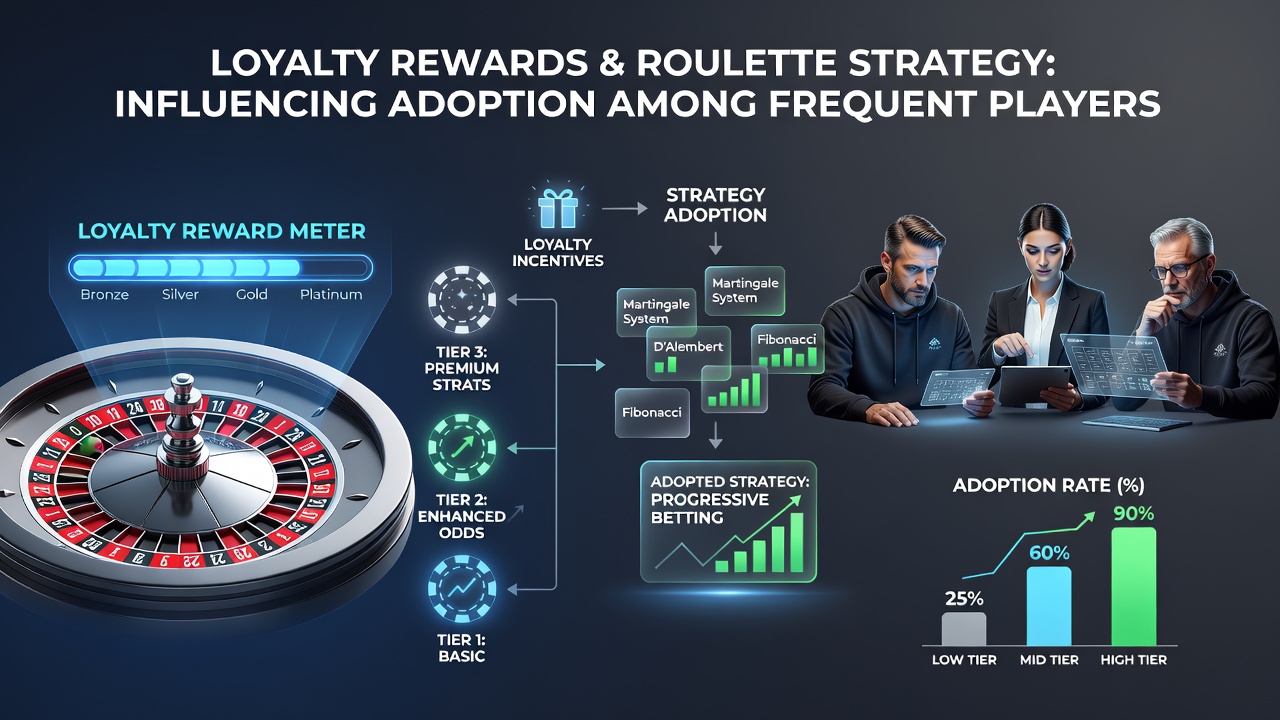
Platform reports compiled across multiple jurisdictions show that accounts in upper loyalty tiers demonstrate elevated adoption rates of structured betting sequences compared to non-tiered accounts, with adoption percentages increasing alongside reward redemption frequency. Figures reveal that players who utilize cashback features within 48 hours of earning them adjust their roulette bet sizing patterns more frequently than those who hold rewards for longer periods.
According to data released by the Alcohol and Gaming Commission of Ontario, loyalty program participants in regulated digital markets displayed a 23 percent higher rate of switching between progressive and conservative strategies within single sessions when reward multipliers were active. Similar patterns appear in aggregated reports from Australian regulatory bodies where volume-based incentives coincided with increased use of outside bet combinations among tracked roulette accounts during the first half of 2026.
Geographic Variations in Reward Influence
Regional differences in reward program design produce distinct strategy adoption profiles because European platforms often emphasize time-limited bonus credits while North American operators focus on lifetime point accumulation toward physical prizes and travel packages. Players accessing platforms regulated under different frameworks show corresponding variations in how quickly they incorporate new betting sequences after receiving loyalty notifications.
Those who've studied cross-border player data note that reward structures incorporating tournament entries tied to roulette handle generate spikes in strategy diversification as participants attempt to qualify for leaderboards. Platform logs indicate these spikes occur most consistently among accounts that have maintained continuous activity for at least three consecutive months.
Conclusion
Loyalty reward structures continue to shape roulette strategy adoption through point systems that prioritize volume and session duration, while tracking data from multiple regulated markets demonstrate clear correlations between reward tier progression and betting pattern adjustments among frequent players. Platform operators maintain these systems with ongoing refinements that respond to observed behavioral metrics, and the resulting patterns provide ongoing insight into how incentive design interacts with established roulette approaches across digital environments.