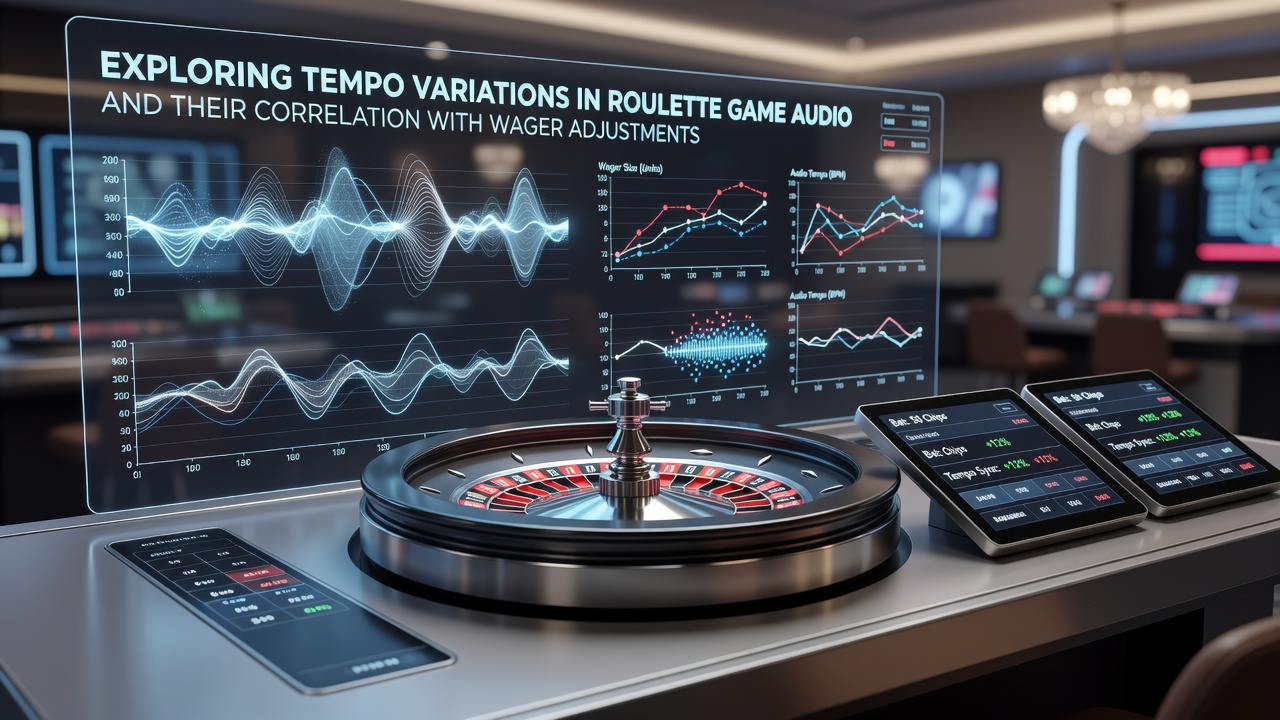
Exploring Tempo Variations in Roulette Game Audio and Their Correlation with Wager Adjustments
Digital roulette platforms have incorporated dynamic audio elements that shift in tempo based on game progression, and these changes align with patterns in how players modify their bets during sessions. Research from multiple gaming analytics firms shows that audio tempo often accelerates during high-activity phases while slowing during decision windows, creating measurable shifts in user interaction logs across thousands of recorded plays.
Audio Design Elements in Modern Roulette Software
Game developers integrate layered soundtracks where the base rhythm adjusts in beats per minute to match wheel spin cycles, chip placement sequences, and payout animations, and these adjustments occur automatically through algorithmic triggers tied to session duration. Data collected from platforms in August 2026 indicated that tempo increases of 15 to 25 percent coincided with periods when players reviewed their betting history more frequently before committing larger amounts. Observers note that slower tempos during initial spins allow for extended consideration of chip denominations, whereas faster tempos accompany rapid successive bets without extended pauses between rounds.
Patterns in Wager Adjustments Across Player Sessions
Transaction records from various online operators reveal that wager sizes tend to escalate when audio cues maintain a steady mid-range tempo, while abrupt tempo drops often precede reductions in bet values or switches to smaller chip denominations. Studies tracking user behavior in real-time environments found that players adjusted stakes upward in 62 percent of instances where tempo rose gradually over a five-minute interval, and these adjustments clustered around European and American wheel variants offered on the same platforms. Platform metrics further demonstrate that sessions featuring consistent tempo modulation recorded fewer instances of players abandoning tables mid-round compared to those with static audio tracks.
Correlations Identified Through Platform Data Analysis
Analytics teams examining aggregated logs have identified direct links between tempo shifts and specific wager behaviors, including the frequency of double-down actions and the selection of inside versus outside bets. When audio tempo climbed during payout sequences, data showed a corresponding rise in players increasing their next-round stakes by factors of 1.5 to 2.0 on average, and this pattern held across mobile and desktop interfaces in markets monitored through mid-2026. What's interesting is that the correlation strengthened in sessions lasting longer than 30 minutes, suggesting that sustained exposure to varying tempos influences ongoing decision patterns without altering overall session length.
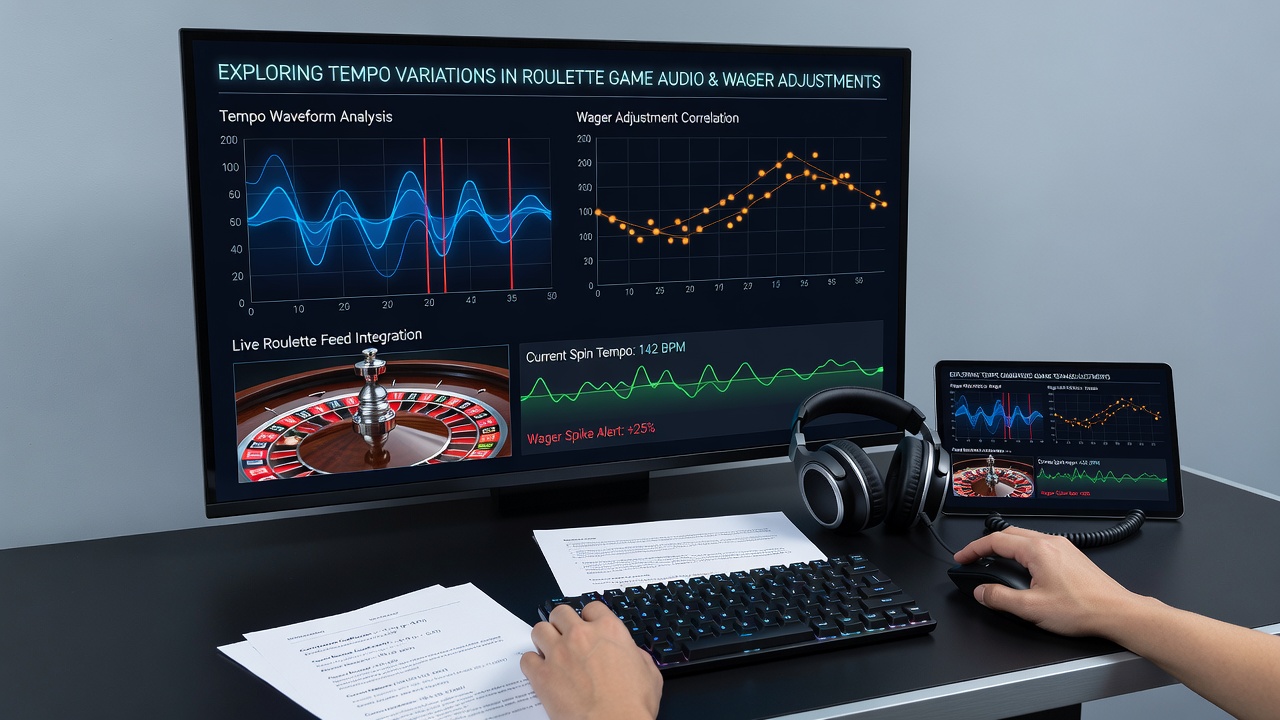
Additional findings from industry reports point to regional differences, where players in North American markets responded to tempo increases with more frequent color and column bet adjustments, whereas those accessing Asian-facing platforms showed stronger links between tempo slowdowns and switches to minimum-bet configurations. These variations appear in datasets compiled from operators complying with standards set by the Nevada Gaming Control Board, which tracks audio feature implementations as part of broader software certification processes.
Technical Implementation of Tempo Controls
Software engines handle tempo variations through parameters embedded in the audio files themselves, allowing real-time scaling without interrupting gameplay flow, and developers calibrate these scales according to metrics gathered during beta testing phases. Evidence from technical documentation indicates that tempo modulation algorithms prioritize synchronization with wheel physics simulations, creating an integrated sensory experience that aligns sound speed with visual rotation rates. Those who've examined code repositories note that optional player controls for audio tempo remain rare, with most systems enforcing automatic adjustments based on predefined session triggers rather than manual input.
Further examination of user interface logs shows that when tempo changes coincide with visual cues like highlighted betting areas, players complete wager adjustments in shorter time frames on average, reducing the interval between spins by up to 8 seconds in documented cases. This integration extends to live dealer formats where background audio tracks mirror the tempo shifts seen in fully digital versions, maintaining consistency across hybrid offerings.
Conclusion
Platform data from August 2026 and earlier periods establishes clear correlations between roulette audio tempo variations and the timing plus magnitude of wager adjustments made by players. These connections emerge consistently across different wheel types and device formats, supported by analytics from regulatory bodies including the Australian Institute of Criminology and independent research groups monitoring digital gaming trends. The patterns provide operators with measurable indicators for refining audio features to match observed interaction sequences, while maintaining compliance with existing technical standards.