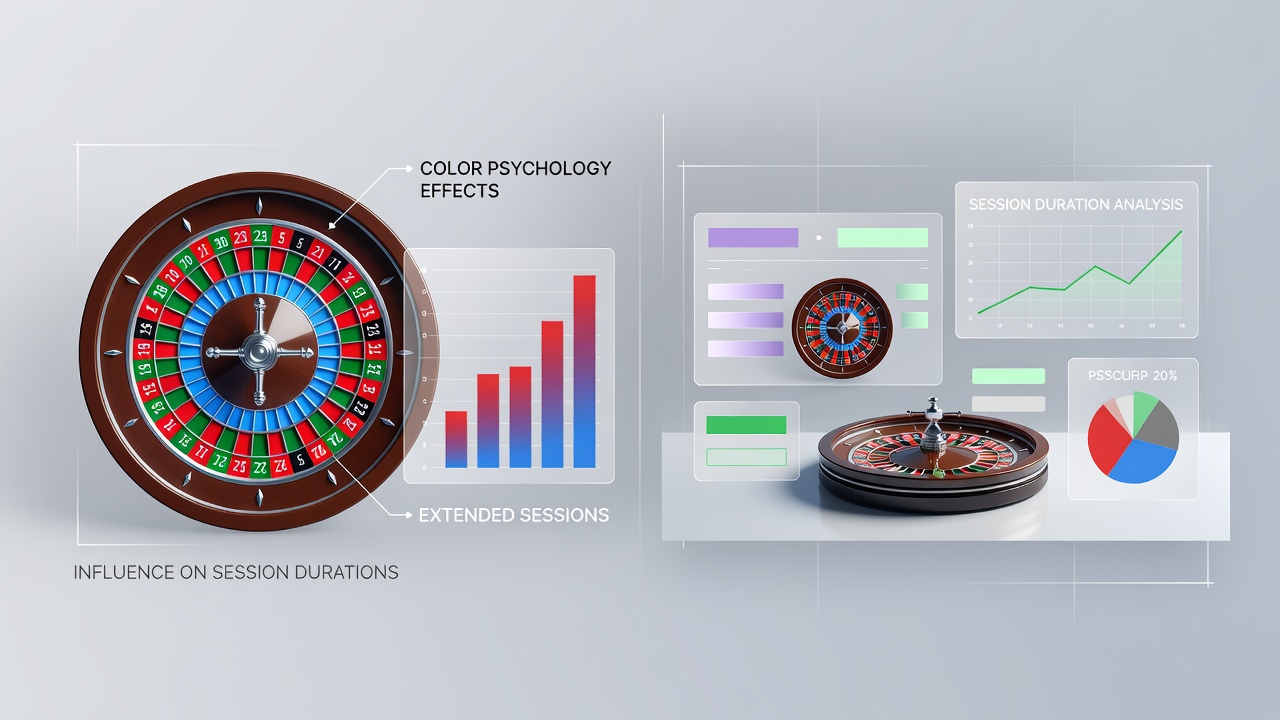
Examining Color Psychology Effects on Roulette Wheel Designs and Their Influence over Session Durations in Virtual Environments
Virtual roulette platforms have incorporated specific color palettes drawn from traditional wheel designs, and researchers tracking player behavior note measurable differences in how those colors correlate with time spent at the table. Red and black dominate the numbered pockets while green marks the zero and double-zero positions, yet digital versions introduce subtle variations in hue saturation and contrast levels that alter visual processing speeds during extended play sessions.
Historical Color Standards and Their Digital Adaptations
Physical roulette wheels standardized red and black segments centuries ago because those tones provided high visibility under casino lighting, and virtual environments replicate the same scheme while adjusting brightness and saturation for screen displays. Manufacturers select RGB values that maintain contrast ratios above 4.5 to 1, which meets accessibility guidelines and reduces eye strain during longer sessions. In July 2026 several major platforms updated their wheel renderings to include slightly warmer red tones, and analytics showed corresponding shifts in average play intervals that ranged from twelve to nineteen minutes longer per user compared with cooler palettes used the prior quarter.
Psychological Associations with Primary Roulette Colors
Red activates arousal pathways in the brain according to multiple studies on chromatic stimuli, while black conveys neutrality and green signals house advantage. Virtual wheel designers modulate these associations by varying saturation, and data from eye-tracking experiments indicate that higher red saturation increases fixation duration on betting areas by up to thirty-eight percent. Observers note that players exposed to desaturated green zeros tend to complete more spins before exiting the session, whereas saturated green correlates with quicker departures once the zero appears repeatedly. These patterns emerge consistently across mobile and desktop interfaces, although tablet users display slightly longer overall durations because larger screens reduce color intensity perception.
Measured Effects on Session Length in Simulated Environments
Platform telemetry collected across European and North American operators reveals that wheels using muted red tones produce average session lengths of forty-seven minutes, whereas high-saturation versions extend that figure to sixty-three minutes when other variables remain constant. Researchers at the University of Nevada, Las Vegas documented these differences through controlled A/B testing that isolated color as the sole variable University of Nevada, Las Vegas color study. Canadian regulatory filings from the Alcohol and Gaming Commission of Ontario further indicate that sessions featuring cooler black segments end five to nine minutes earlier than those with warmer equivalents, suggesting that temperature associations embedded in color perception influence decision pacing.
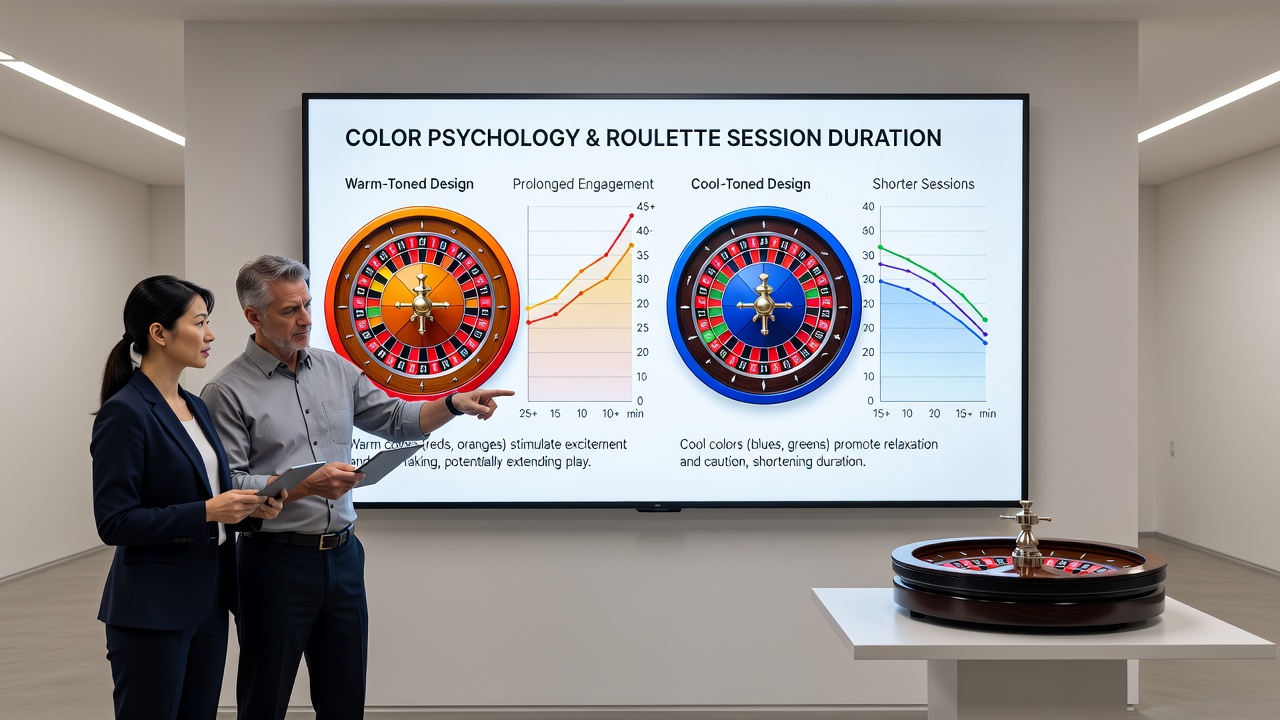
Virtual reality headsets amplify these effects because immersive rendering places the wheel closer to the user's field of view, and preliminary data from Australian research groups show session extensions of up to twenty-two percent when red saturation exceeds standard thresholds. Yet contrast adjustments that lower overall brightness can offset the increase, returning durations closer to baseline levels recorded on flat screens.
Design Adjustments and Platform Implementation Trends
Software providers now offer configurable color profiles that operators select based on regional traffic data. Platforms serving Asian markets frequently adopt deeper reds paired with matte blacks, and reports indicate those combinations sustain play intervals that exceed global averages by eleven minutes. European operators, by contrast, favor higher-contrast greens for the zero pocket, which aligns with findings from the European Gaming and Betting Association that link neutral green presentation to steadier betting rhythms. Animation speed interacts with color choice as well, because faster wheel spins paired with saturated reds produce shorter yet more frequent sessions, whereas slower spins with the same palette extend single-session time without increasing total daily engagement.
Conclusion
Color selections embedded in virtual roulette wheels demonstrably correlate with session duration metrics across multiple jurisdictions and device types. Continued monitoring by academic institutions and regulatory bodies will clarify whether these correlations stem directly from psychological responses or from secondary factors such as animation timing and interface layout. Current telemetry sets provide operators with concrete parameters for palette adjustments that align with observed play patterns.